

The internet did not suddenly become fast. What feels like instant loading today is the result of several foundational technology ideas improving web speed, performance, and reliability over time. Early websites struggled with slow connections, overloaded servers, and heavy page elements that made browsing inefficient.
This article breaks down 8 tech ideas that made the web move quicker, explaining how web performance optimization, cloud computing, content delivery networks, and smarter protocols gradually transformed online experiences. Using clear language and real-world examples, it shows how these practical innovations solved real limitations and continue to power faster, more responsive websites today.
Faster Mobile Networks Reset User Expectations
Early mobile internet was designed mainly for emails and basic browsing. As mobile networks evolved to faster standards, websites and apps had to adapt.
Modern mobile networks reduced latency and increased data transfer speeds. This allowed:
- Video streaming without constant buffering
- Real-time messaging and collaboration
- Web apps that behave like native apps
A good example is how cloud-based tools now work smoothly on mobile devices, something that was nearly impossible on older networks. Faster connectivity also influenced how developers design mobile-first experiences across the web.
CDN Brought Content Closer to Users
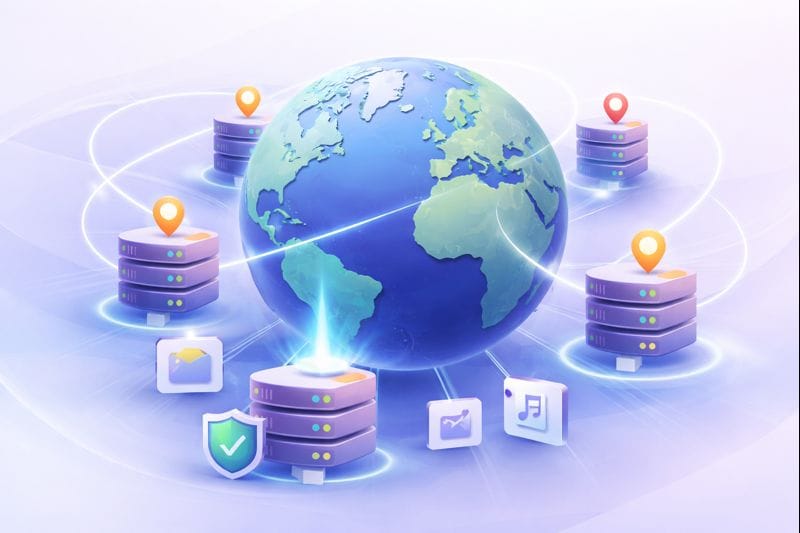
One of the biggest reasons pages load faster today is that content no longer comes from a single server location.
Content Delivery Networks (CDNs) work by:
- Storing copies of website assets on multiple global servers
- Serving users from the nearest geographic location
- Reducing server overload during high traffic
For example, when a global news site publishes breaking updates, users across different countries can access the content quickly without delays. Weather platforms also rely heavily on this model to deliver timely updates, similar to how modern weather-detecting technologies operate at scale.
Browser Engines Became Faster and More Intelligent
Web browsers are no longer simple page viewers. They actively optimize how content is loaded and displayed.
Modern browser engines:
- Prioritize visible content first
- Optimize JavaScript execution
- Reduce memory and CPU usage
This is why complex dashboards, editors, and even browser-based games now feel smooth. Improvements in browser technology directly support rich web experiences like interactive gaming platforms and advanced web apps.
Compression Reduced Page Size Without Losing Quality
Speed is not only about faster connections. It is also about sending less data.
Compression techniques help by:
- Shrinking HTML, CSS, and JavaScript files
- Using efficient image formats
- Reducing unnecessary code
For example, a media-heavy blog that optimizes images and scripts can load significantly faster even on slower connections. This principle is widely used in performance-focused content platforms and modern CMS systems.
Cloud Computing Removed Infrastructure Bottlenecks
Traditional hosting struggled with traffic spikes and global reach. Cloud computing changed that by offering flexible and scalable infrastructure.
Key benefits include:
- Automatic scaling during high traffic
- Faster global deployments
- Improved uptime and reliability
When a product launch or viral post suddenly attracts millions of visitors, cloud systems adjust resources in real time. This model is now standard for web platforms, mobile apps, and SaaS products.
APIs Simplified and Accelerated Web Development
APIs allowed services to connect without rebuilding everything from scratch. This modular approach sped up development and reduced server load.
APIs are commonly used for:
- Payment processing
- Authentication and login
- Data sharing between platforms
Messaging platforms and automation tools rely heavily on APIs, similar to how Telegram bots function behind the scenes to deliver quick responses without overloading systems.
Smarter Algorithms Made Websites Feel Faster
Not all speed improvements are visible. Many happen through smarter decision-making in software.
Algorithms now:
- Predict what users will load next
- Cache frequently accessed data
- Load critical elements before secondary content
Machine learning also plays a role in optimizing delivery and personalization. Broader discussions around intelligent systems and automation are explored in depth in this comparison of artificial intelligence and human intelligence.
Progressive Web Apps Reduced Dependence on Constant Internet
Progressive Web Apps (PWAs) introduced a hybrid approach between websites and native apps.
PWAs improve speed by:
- Caching content locally
- Allowing offline access
- Loading instantly after the first visit
For users, this means faster access even with weak connectivity. Many productivity tools and content platforms use this approach to ensure consistent performance across devices.
Why These Tech Ideas Still Matter Today
These ideas continue to influence how modern websites are built and optimized. Even as technology evolves, the core goal remains the same: reduce friction and deliver information faster.
Understanding these foundations helps readers stay informed about long-term digital shifts, similar to the principles shared in guides on staying up to date with technology trends.
FAQ
There is no single factor. Speed improvements came from combined advances in networks, infrastructure, and software optimization.
Yes. Browsers, cloud platforms, and delivery systems continue to evolve with better efficiency and performance.
Yes. Even small sites benefit from CDNs, compression, and modern hosting platforms.
Many improvements will feel subtle, but they will further reduce delays and improve reliability rather than dramatically changing how the web looks.
Conclusion
The web became quicker through practical, problem-solving ideas rather than dramatic breakthroughs. Faster networks, smarter software, efficient infrastructure, and better data handling collectively transformed online experiences.
These eight tech ideas show how incremental improvements can create a web that feels instant, reliable, and accessible—setting the stage for future innovation without sacrificing usability.

Hi, I’m Aditya Rathod, a tech content creator and the founder of Zynicon.com.
At Zynicon, I publish clear, practical, and experience-driven content focused on technology, apps, gadgets, AI tools, and emerging digital trends. My goal is to simplify fast-evolving tech topics and present them in a way that is easy to understand, reliable, and genuinely helpful for both beginners and tech enthusiasts.
I actively explore new tools, test apps and devices, and research digital features to ensure every guide and tutorial is written manually, fact-checked, and based on real-world usage. Rather than using hype or jargon, I focus on clarity, accuracy, and usefulness so readers can make informed decisions with confidence.
Through Zynicon, I aim to build a trusted knowledge platform where users can stay updated with technology, discover useful solutions, and learn at their own pace—without confusion or misleading information.
Thank you for being part of the Zynicon community and taking the time to read my work.


A really good blog and me back again.